
 New Horizons
 Project Management Academy
 Six Sigma Online
 TCM Security
 TRACOM
 Velopi
 Watermark Learning
 Login


Our Blog
Resources and insights
The latest industry news, interviews, technologies, and resources.

Ethically Hacking LLMs | 1 – Neural Networks
In this first blog in the series, we’re going to learn about the fundamentals of how neural networks and LLMs work to better understand how to attack them.

Practice Assembly With A Buffer Overflow Exercise
Use our free resource, Overflowme, to learn about programming in assembly and how the classic buffer overflow vulnerability can be exploited.
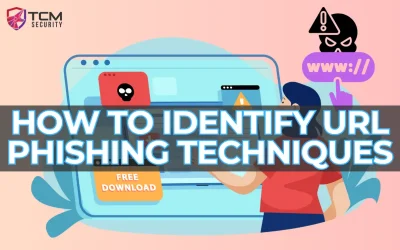
How To Identify URL Phishing Techniques
In this blog, we’ll break down some of the most common URL phishing tactics, identify detection and analysis methods, and discuss strategies to defend against them.
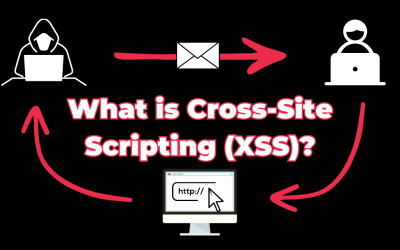
What is Cross-Site Scripting (XSS)?
OverviewCross-Site Scripting (XSS) is a type of security vulnerability in web applications that enables an attacker to insert malicious code into a web page that can be viewed by other users (typically in the form of scripts). When a web application fails to properly...
Manual vs Automated Code Review
This article explores the differences between automatic and manual code review and some of the pros and cons surrounding both approaches.
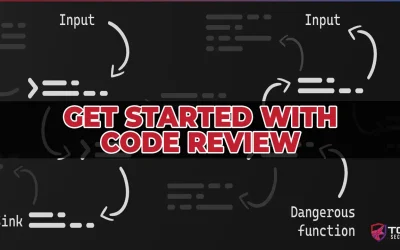
How to Get Started with Code Review
Code review is an essential part of the web application penetration testing process but is often overlooked. We’re going to look at why it’s important and how to get started. There are a number of reasons why we might decide to review the source code of an application...
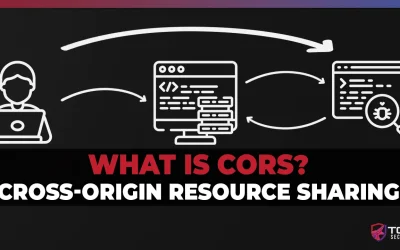
What is CORS (Cross-Origin Resource Sharing) and Why You Should Care About It
CORS is a security feature that prevents unauthorized access to web resources. This article looks at CORS and then how CORS attacks work.

Getting Started with Offensive JavaScript
JavaScript is a bit like Marmite, you either love it or hate it. Regardless of how it makes us feel, it is a powerful tool for attacking users and exploitation. Often, popping alert(1) is proof enough to get a fix but doesn’t demonstrate the full impact an attacker...
The Fundamentals of HTTP for Hackers
Hypertext Transfer Protocol (HTTP) is an application layer protocol. On the surface, HTTP can appear quite simple, but there are a lot of quirks considering its use across inconsistent browsers and servers. Check out a video version of this article:Breaking Down An...
Stay Ahead of Cyber Threats
Get expert insights on the latest penetration testing strategies, emerging vulnerabilities, and cybersecurity best practices—straight to your inbox.
Loading form...
We care about your data in our privacy policy.