New Horizons
 Project Management Academy
 Six Sigma Online
 TCM Security
 TRACOM
 Velopi
 Watermark Learning
 Login
Login



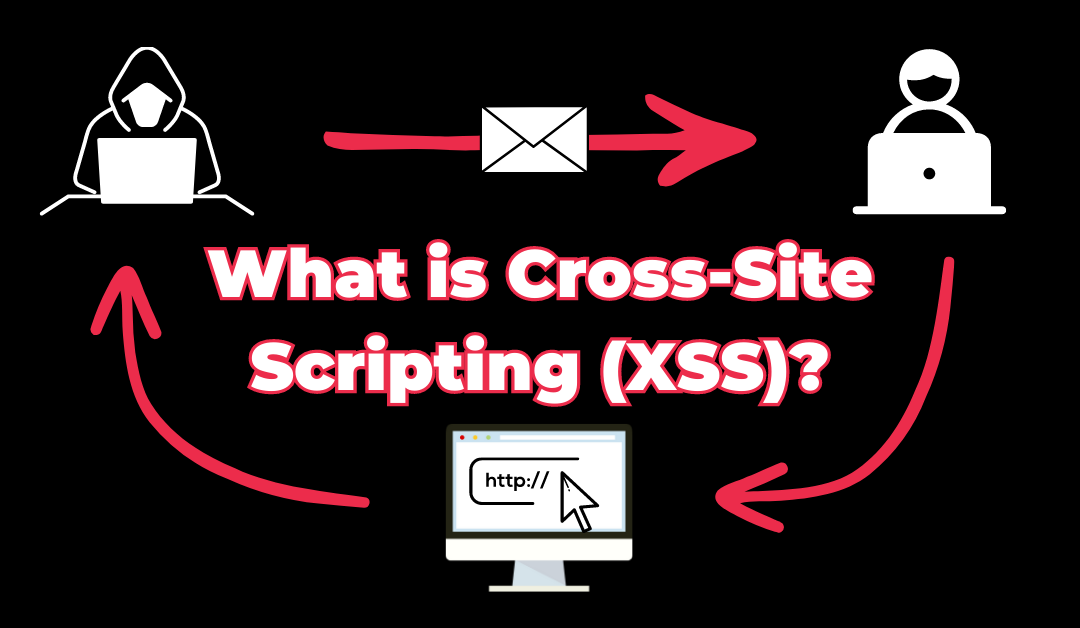
What is Cross-Site Scripting (XSS)?
Overview Cross-Site Scripting (XSS) is a type of security vulnerability in web applications that enables an attacker to insert malicious code into a web page that can be viewed by other users (typically in the form of scripts). When a web application fails to properly...
What is Threat Modeling and Why You Should Use it
Threat modeling is a process used to identify potential threats and weaknesses in a system. It involves breaking down a system and examining it to better understand what needs protecting, who might attack it, and how it can be protected. So who needs to be involved?...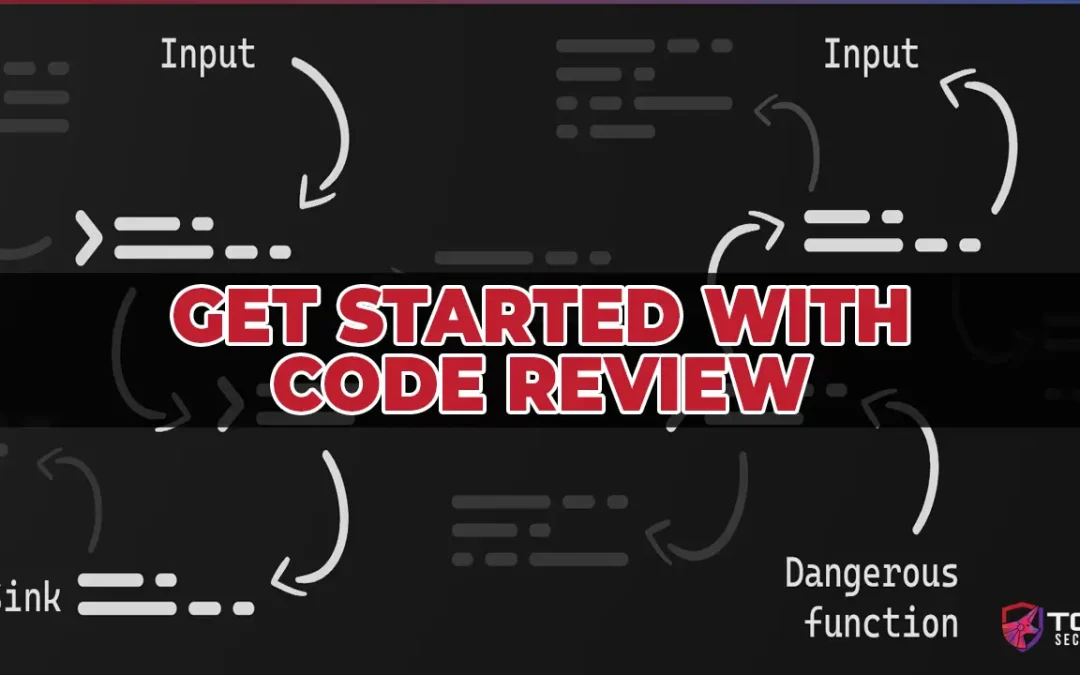
How to Get Started with Code Review
Code review is an essential part of the web application penetration testing process but is often overlooked. We’re going to look at why it’s important and how to get started. There are a number of reasons why we might decide to review the source code of an application...
Penetration Testing – From Adversary to Partner
While penetration testing can be considered “adversarial” testing, it should be anything but that. Your penetration test, no matter who you do it with, should be a partnership. In every partnership, communication is key. Settling for a pentest company that merely...